The Pressure to Get Better
When you first begin training your reactive dog, it’s completely natural to feel hopeful.
You’ve found a plan. You’re learning new skills. For the first time in a long time, it feels like things might finally change.
But there’s something that often happens without us even realising…
Hope quietly turns into expectation.
We begin expecting every walk to be better than the last. Every training session should show progress. Every reaction starts to feel like a setback.
Before long, our dog isn’t just coming out for a walk—they’re taking a test they never knew they were sitting.
In today’s lesson, we’re going to explore why that mindset can put unnecessary pressure on both you and your dog, and how shifting your expectations can completely change the way you experience the rehabilitation journey.
We’ll also look at the learning curve, including the stages of uninformed optimism, informed pessimism and the Valley of Despair—a stage that almost everyone experiences when learning something new.
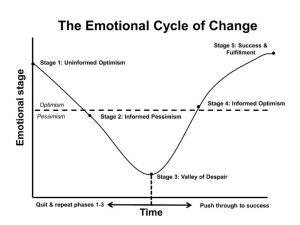
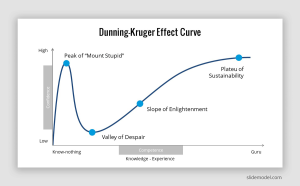
If you’ve ever found yourself thinking…
- “We were doing so well until today.”
- “Why aren’t we further on by now?”
- “Maybe this just isn’t working.”
…then this lesson is for you.
What You’ll Learn
- Why expecting too much, too soon can slow progress.
- How pressure affects both the handler and the dog.
- Why setbacks are a normal part of learning—not a sign of failure.
- How to recognise where you are in the learning journey.
- Why strengthening your relationship is more important than chasing perfect walks.
This Week’s Mindset
As you work through this week’s lessons, I’d like you to replace one question:
Instead of asking…
“Did my dog react today?”
Ask yourself…
“Did we finish today with a little more trust than we started with?”
Because rehabilitation isn’t built on perfect walks.
It’s built on hundreds of small moments where trust, understanding and communication grow a little stronger.
And those moments are worth far more than any single “perfect” training session.